
Shopping for children’s wedding clothes sounds exciting until you are standing in a store with a tired toddler, a heavily embroidered lehenga and a salesperson insisting that the outfit is “only slightly itchy”.
Indian wedding outfits for children certainly need to look festive. However, they also need to survive running, dancing, eating, napping and at least one unexpected spill.
The best kids ethnic wear for Indian wedding functions should allow children to move freely and enjoy the celebration. An outfit may look beautiful in photographs, but it is not a good choice if the child wants to remove it within twenty minutes.
Comfort becomes even more important at long Indian weddings. A single function can continue for several hours, while destination weddings may involve two or three events in one day.
Parents should therefore look beyond colour and embroidery. Fabric, lining, weight, closures and fit matter just as much.
This guide covers practical outfit ideas for babies, toddlers and older children, along with the fabrics, shoes and accessories that can make wedding dressing easier.
Quick Answer: How to Choose Comfortable Kids’ Wedding Clothes
Choose kids ethnic wear for Indian wedding celebrations in breathable fabrics with soft lining, easy closures and minimal scratchy embroidery. The outfit should fit comfortably around the neck, waist and arms, while allowing the child to sit, run and dance without restriction.
Look for:
- Cotton, cotton-silk, muslin or soft blended fabrics
- Lightweight embroidery
- Smooth inner lining
- Elasticated or adjustable waists
- Buttons, zips or snap closures that are easy to manage
- Shorter dupattas or attached drapes
- Comfortable footwear the child has already worn
Avoid stiff net, rough zari, sharp sequins, tight collars and heavy outfits that restrict movement.
Why Kids’ Wedding Clothes Should Be Cute and Comfortable
Wedding photographs last for years, which is why parents naturally want children to look well-dressed. But children experience wedding functions very differently from adults.
They may have to sit through ceremonies they do not understand, meet unfamiliar relatives, eat at unusual times and stay awake beyond their normal bedtime.
Uncomfortable clothing can quickly lead to irritation and meltdowns.
The right kids ethnic wear for Indian wedding events creates a balance between festive styling and practical design. The child should be able to sit cross-legged, bend down, climb a few stairs and use the washroom without needing a complete outfit change.
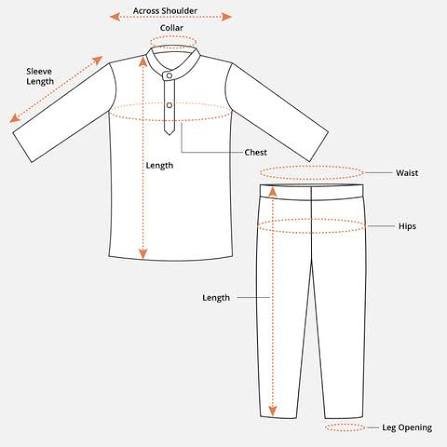
Before buying, ask the child to walk, sit, raise their arms and turn around in the outfit. For younger children, check whether the waistband leaves a mark or whether the embroidery rubs against the skin.
A slightly simpler outfit worn happily will look far better than an elaborate outfit the child refuses to keep on.
Outfit Ideas for Baby Girls
Baby girls look adorable in miniature lehengas and frocks, but comfort and safety should always come first.
For babies below one year, soft ethnic dresses are usually easier than traditional three-piece outfits. An Anarkali-style frock, angrakha dress or cotton-silk festive dress provides the look of ethnic wear without multiple layers.
Choose a dress with a smooth cotton lining and a back zip or shoulder-button opening. Avoid tight necklines because babies often dislike clothes being pulled over their heads.
A lightweight lehenga can also work for a baby girl, provided the waistband is soft and elasticated. Pair it with a blouse that covers the stomach rather than a short choli.
For winter weddings, add a soft cardigan, velvet jacket or full-sleeved inner layer instead of choosing a very heavy outfit.
Good colours for baby girls include:
- Peach
- Mint green
- Soft yellow
- Lavender
- Rose pink
- Ivory with colourful embroidery
The best kids ethnic wear for Indian wedding events involving babies should not include loose beads, detachable tassels or sharp decorative pieces. Babies naturally pull at clothing and place objects in their mouths.
A soft fabric headband or small clip is safer than a heavy maang tikka.
Outfit Ideas for Baby Boys
Baby boys do not need stiff sherwanis to look wedding-ready. A soft kurta with pyjama, dhoti pants or comfortable trousers is usually enough.
Cotton-silk kurtas with simple threadwork are ideal for daytime functions. For evening events, choose a deeper colour such as navy, bottle green, maroon or rust.
An attached or lightweight Nehru jacket can make a simple kurta set look more festive. Make sure the jacket is not tight around the arms or neck.
For babies who crawl, avoid long kurtas that become trapped under their knees. A shorter kurta or angrakha-style top is more practical.
Elasticated pyjamas are much easier during diaper changes than fitted churidars with complicated drawstrings.
Comfortable baby-boy options include:
- Short kurta with dhoti pants
- Cotton kurta and pyjama
- Kurta with soft Nehru jacket
- Ethnic romper with front buttons
- Pathani-style set in lightweight fabric
When choosing kids ethnic wear for Indian wedding functions for baby boys, check that buttons and hooks are firmly attached. Avoid decorative brooches or metal pins near the face.
Ethnic Wear for Toddlers Aged One to Four
Toddlers are usually the most active guests at a wedding. They may begin the function looking perfectly dressed and end it barefoot, holding a gulab jamun and running behind the wedding photographer.
Their outfits need to support movement.
Wedding Outfits for Toddler Girls
For toddler girls, an ethnic frock is one of the easiest options. It provides the festive appearance of a lehenga or Anarkali without the inconvenience of separate garments.
A lightweight lehenga-choli can also work if it has a soft waistband and secure blouse. Avoid very long skirts that increase the risk of tripping.
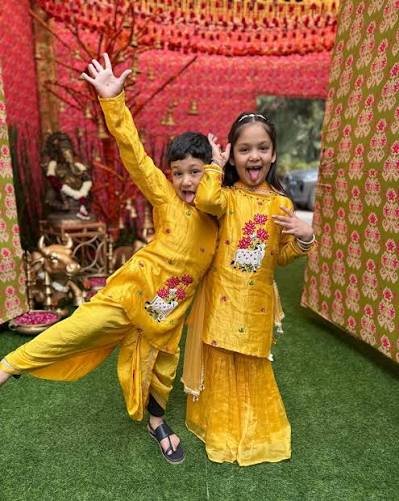
Attached dupattas are far safer than loose ones. A cape-style layer, one-shoulder drape or stitched dupatta gives the same festive effect without slipping constantly.
Other useful options include:
- Peplum top with sharara pants
- Kurti with flared palazzos
- Angrakha-style dress
- Cotton lehenga with sleeved blouse
- Jacket-style ethnic dress
For toddlers, kids ethnic wear for Indian wedding celebrations should never feel restrictive around the waist. Elasticated backs and adjustable buttons allow room after meals and make the outfit last longer.
Wedding Outfits for Toddler Boys
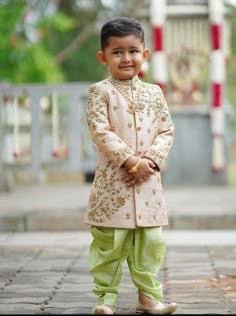
A kurta-pyjama set is the simplest choice for toddler boys. Choose a knee-length kurta with enough room around the shoulders.
Dhoti pants and Patiala-style bottoms can look festive, but they should be stitched securely so the child does not trip over loose folds.
Nehru jackets are ideal for photographs because they can be removed later if the child becomes warm.
For a summer wedding, try a white or cream kurta with a pastel jacket. For winter, choose jewel tones such as navy, wine, emerald or mustard.
Avoid very stiff sherwanis unless they are needed for a short ceremony or family photograph.
Kids Ethnic Wear for Five to Ten-Year-Olds
Children between five and ten often have strong opinions about their clothes. Involving them in the selection process can reduce last-minute resistance.
At this age, the best kids ethnic wear for Indian wedding functions should reflect the child’s personality. Some children enjoy elaborate outfits, while others prefer simple clothes that feel similar to their regular wardrobe.
Ethnic Outfit Ideas for Girls Aged Five to Ten
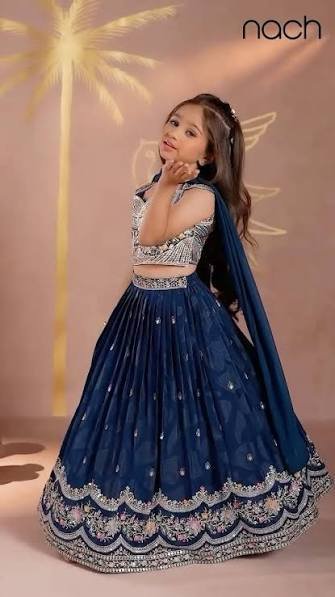
Older girls can comfortably wear lehengas, Anarkalis, sharara sets and festive kurta-palazzo combinations.
A lehenga with a crop-style blouse may look stylish, but check that the blouse provides enough coverage when the child raises her arms. A slightly longer top or peplum-style choli is often more comfortable.
Sharara and gharara sets are particularly practical because they allow easy movement. They also work for mehendi, sangeet and daytime wedding functions.
For a modern look, consider:
- Asymmetrical kurta with palazzo pants
- Crop top with flared ethnic skirt
- Jacket and lehenga set
- Printed Anarkali with small dupatta
- Kurti with embroidered trousers
For older girls, allow them to choose between pastel, bright and traditional colours. A child who likes the outfit is far more likely to wear it comfortably.
Ethnic Outfit Ideas for Boys Aged Five to Ten
Boys in this age group can wear kurta-pyjama sets, bandhgalas, Nehru jackets and lightweight sherwanis.
A printed kurta with plain trousers works well for mehendi or haldi. For the main wedding, add a textured or embroidered jacket.
Bandhgalas look formal but should not be tight around the neck. Ask the child to sit and move in the outfit before removing the tags.
Useful combinations include:
- Ivory kurta with navy Nehru jacket
- Black kurta with grey jacket
- Pastel kurta with white pyjama
- Printed kurta with solid trousers
- Short sherwani with straight pants
When buying kids ethnic wear for Indian wedding events, avoid choosing oversized garments with the expectation that the child will grow into them. Extra-long sleeves and trousers can become a safety hazard during crowded functions.
Comfortable Fabrics for Children’s Festive Wear
Fabric can completely change how a wedding outfit feels.
Cotton and Cotton-Silk
Cotton and cotton-silk are excellent for daytime weddings, summer functions and humid Indian cities.
They are breathable, lightweight and easy to layer.
Muslin
Muslin is soft and comfortable for babies and toddlers. It works especially well for printed kurtas, dresses and angrakha-style outfits.
Chanderi with Soft Lining
Chanderi looks festive without being extremely heavy. However, it should have a soft inner lining because some varieties may feel rough against sensitive skin.
Soft Silk Blends
Pure heavy silk may be difficult for children to carry. Softer silk blends provide the shine of festive wear without too much weight.
Velvet in Small Amounts
Velvet works for winter weddings when used in jackets, waistcoats or blouse panels. A complete velvet outfit may feel heavy and warm.
The best fabric for kids ethnic wear for Indian wedding functions depends on the season, venue and duration of the event.
Fabrics and Details to Avoid
Not every decorative fabric is suitable for children.
Rough Net
Net skirts may look pretty, but multiple stiff layers can scratch the legs. Choose a design with complete lining and softer net.
Heavy Brocade
Thick brocade can restrict movement, particularly in fitted sherwanis and jackets.
Sharp Sequins
Sequins can rub against the arms, neck or waist. Check the inside seams carefully.
Exposed Zari
Metallic zari threads may feel scratchy and can irritate sensitive skin.
Excessive Can-Can
A little can-can gives a lehenga shape, but too much makes the skirt heavy and difficult to sit in.
Synthetic Fabric Without Lining
Polyester outfits may trap heat, particularly during outdoor summer weddings. A breathable cotton lining can make them more comfortable.
Before buying kids ethnic wear for Indian wedding celebrations, run your hand along the inside neckline, armholes and waistband. If the fabric feels rough to your hand, it may feel even more uncomfortable to a child.
Footwear for Kids at Indian Weddings
Children’s wedding shoes should be selected for walking and playing, not only photographs.
Girls can wear soft juttis, cushioned sandals, ballet flats or comfortable slip-on shoes. Avoid high heels, slippery soles and shoes with hard decorative edges.
Boys can wear soft mojaris, loafers or closed sandals. Ensure the footwear does not pinch the toes or slip at the heel.
New shoes should be worn at home before the wedding. Even ten to fifteen minutes of walking can reveal whether a pair causes discomfort.
It is sensible to carry a backup pair of familiar sandals or sneakers. Children can wear traditional footwear during photographs and change later.
Accessory Safety for Children
Accessories can make kids ethnic wear for Indian wedding functions look more complete, but they should remain lightweight and secure.
For girls, choose small earrings, fabric bangles, soft hairbands or lightweight floral accessories. Avoid heavy necklaces and sharp hairpins.
For boys, use fabric pocket squares or stitched buttons instead of detachable brooches.
Accessories for babies should not contain loose beads or small parts. Avoid long chains, hanging latkans and anything that can become caught on furniture.
A simple accessory is usually enough. Children do not need adult-level jewellery to look festive.
How Many Outfits to Pack for a Destination Wedding
Destination weddings require more planning because laundry, shopping and last-minute alterations may not be easily available.
For a two-night wedding, pack at least:
- One outfit for the mehendi or welcome event
- One outfit for the sangeet or evening party
- One outfit for the wedding ceremony
- One backup ethnic or semi-ethnic outfit
- Two sets of comfortable nightwear
- One casual outfit for travel or breakfast
Babies and toddlers may need additional backup clothing because of food spills, diaper leaks and outdoor play.
Pack each set of kids ethnic wear for Indian wedding events in a separate labelled pouch. Include the matching innerwear, socks, accessories and footwear so that dressing is quicker.
Also carry:
- Safety pins stored away from children
- Fashion tape for older children
- Stain-removal wipes
- Small sewing kit
- Spare buttons
- Comfortable backup shoes
- Light sweater or stole
- Mosquito repellent for outdoor venues
Do not pack only elaborate outfits. Children should have at least one lighter option for functions that continue longer than expected.
Wedding Outfit Ideas by Function
Haldi Ceremony
Choose yellow, white, peach or floral outfits in washable cotton. Avoid expensive embroidery because turmeric stains are difficult to remove.
Mehendi Function
Printed lehengas, kurta sets, shararas and colourful jackets work well. Since children may sit on the floor, avoid very long garments.
Sangeet Night
This is the right occasion for slightly brighter kids ethnic wear for Indian wedding celebrations. Try sequinned accents, mirror work or metallic colours, but keep the outfit lightweight enough for dancing.
Main Wedding Ceremony
Choose a more traditional lehenga, Anarkali, kurta-jacket set or lightweight sherwani. Comfort remains important because ceremonies may continue for several hours.
Wedding Reception
Structured but comfortable outfits work best. Girls can wear Indo-western dresses or jacket lehengas, while boys can wear bandhgalas or darker kurta sets.
Shopping Checklist for Parents
Before buying, check whether:
- The outfit has a soft lining.
- The neck and armholes are comfortable.
- The waistband is adjustable.
- The child can sit and bend easily.
- The garment is not too long.
- Embroidery does not touch bare skin.
- Buttons and hooks are secure.
- The outfit can be worn without constant adjustment.
- The fabric suits the season.
- The child actually likes wearing it.
When comparing two options, choose the lighter one. Heavy kids ethnic wear for Indian wedding events may look impressive on a hanger but can become exhausting during a long function.
Final Thoughts
Children do not need to be dressed like miniature adults to look festive.
The best kids ethnic wear for Indian wedding celebrations combines cheerful colours, traditional details and child-friendly construction. Breathable fabrics, soft linings, flexible waistbands and easy closures make a much bigger difference than heavy embroidery.
For babies, choose ethnic frocks, rompers and soft kurta sets. Toddlers do well in lightweight lehengas, shararas, kurtas and removable jackets. Older children can experiment with Anarkalis, bandhgalas, Indo-western outfits and more detailed festive styles.
Most importantly, let children move, eat and enjoy the wedding.
An outfit that stays comfortable through the ceremony, dinner and dance floor is always a better investment than one worn only for a five-minute photograph.
Frequently Asked Questions
What is the best kids ethnic wear for Indian wedding functions?
The best options include lightweight lehengas, ethnic frocks, sharara sets, kurta-pyjamas, Nehru jackets and soft sherwanis. Choose breathable fabric, gentle lining and an easy fit.
Which fabric is best for children’s wedding clothes?
Cotton-silk, muslin, soft silk blends and lined Chanderi are comfortable choices. Select the fabric according to the season and whether the function is indoors or outdoors.
What should a baby wear to an Indian wedding?
Baby girls can wear soft ethnic frocks, angrakha dresses or lightweight lehengas. Baby boys can wear short kurtas, ethnic rompers or kurta-pyjama sets with soft elasticated bottoms.
Are lehengas comfortable for toddlers?
Yes, provided the lehenga is lightweight, fully lined and not too long. Choose an elasticated waist and avoid excessive can-can or heavy embroidery.
Can children wear sherwanis for long wedding functions?
They can, but the sherwani should be lightweight and roomy around the shoulders and neck. For long events, carry a simple kurta so the child can change later.
What footwear should children wear with ethnic clothes?
Soft juttis, cushioned sandals, loafers and ballet flats are good options. Avoid stiff shoes, slippery soles and heels.
How many ethnic outfits should I pack for a destination wedding?
For a two-night wedding, pack three event outfits and at least one backup. Babies and toddlers may need two additional changes because of spills or diaper accidents.
How can I stop embroidery from irritating my child?
Choose fully lined outfits and check the neckline, armholes and waist from inside. A soft cotton inner garment can also prevent rough embroidery from touching the skin.
Should children wear dupattas at weddings?
Young children should avoid loose, long dupattas. Choose attached drapes, short capes or securely pinned dupattas that do not create a tripping or choking risk.
How early should I buy kids’ wedding outfits?
Buy the outfits around four to six weeks before the wedding. This leaves enough time for alterations, but is not so early that the child is likely to outgrow them.
See Also
Ethnic Lookbook – Kids Fashion – Indian Wedding Guest
Baby girl ethnic dress design for wedding function|| Kids ethnic dress-Crazy about Fashion
Nehru Jacket with Kurta Pajama: Colour Combinations That Actually Work
What to Wear In Haldi Ceremony as a Guest: Beyond the Basic Yellow Kurta