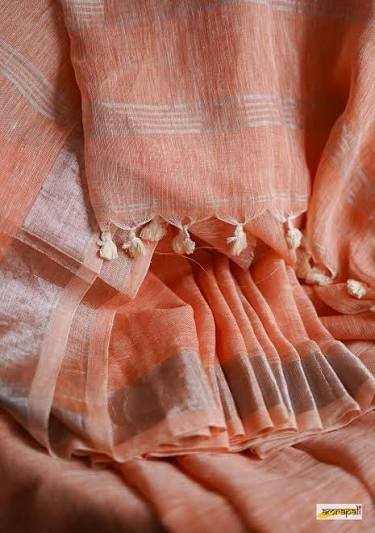
Handloom sarees are not just garments; they are piece-by-piece love letters written by skilled Indian weavers. From the ethereal sheer weave of a Kota Doria to the intricate story-blocks of an Ajrakh or the regal stiffness of a Bengali Tant, handloom textiles carry heritage in every thread. However, keeping them vibrant, soft, and intact across generations can feel like a daunting task.
One wrong detergent or an extra ten minutes in a bucket of hot water, and you might end up with washed-out prints, stubborn dye bleeding, or painful fabric shrinkage!
If you’ve been wondering how to wash handloom sarees at home safely without ruining its drape, weave, or rich colors, this ultimate textile care guide is for you. Let’s walk through every fabric, weave, and wash step so your cherished wardrobe stays fresh, soft, and forever gorgeous.

1. Which Handloom Sarees Can Be Washed at Home?
Not all handloom weaves are created equal when it comes to laundry day. Understanding your saree’s fiber content and dyeing technique is the first step in avoiding home laundry disasters.
Wash-at-Home vs. Dry-Clean Only Matrix
| Saree Type & Weave | Recommended Cleaning Method | Can You Wash at Home? | Key Precautions |
| Pure Cotton Handlooms (Mulmul, Daily-wear) | Hand Wash at Home | Yes | Cold water, mild liquid cleanser, short soak time. |
| Starched Tant Sarees | Hand Wash at Home | Yes | Starch after washing; handle gently to avoid harsh creasing. |
| Ajrakh & Natural Dye Sarees | Delicate Hand Wash | Yes (Condition applied) | Salt fix in first wash, no harsh detergents, shade dry. |
| Bandhani / Tie & Dye Cotton | Spot Clean / Careful Hand Wash | Yes | Do not stretch the tied texture; cold water rinse. |
| Chanderi & Kota Doria | Dry Clean Recommended | Exercise Caution | Gentle dipping only if colorfast; never wring or twist. |
| Kanjeevaram & Pure Silk Sarees | Professional Dry Clean | No | Water leaves permanent spots; silk fibers weaken when wet. |
| Zari & Heavily Embroidered | Professional Dry Clean | No | Metal threads tarnish and pull under friction. |
2. Perform a Patch Test to Check Saree Color Bleeding
Before dipping your entire handloom saree into water, perform a quick colorfastness patch test. Natural dyes, vegetable inks, and artisanal hand-block prints (like Bagru, Dabu, and Kalamkari) often release excess surface dye during their initial washes.
Step-by-Step Colorfastness Patch Test
- Select an Inconspicuous Area: Take the inner corner of the saree pallu or the extra blouse piece section.
- Moisten with Cold Water: Dab a small drop of cold water onto a small printed or dyed patch.
- Press with a Clean White Cloth: Press a clean white cotton swab or cloth against the wet patch for 10 to 15 seconds.
- Inspect for Transfer:
- No color transfer: The saree is colorfast and safe for gentle hand washing at home.
- Slight color transfer: The fabric requires dye-fixing techniques (such as a rock salt soak) and must be washed completely separately.
- Heavy color bleeding: Do not wash at home! Send it straight to a dry cleaner.
3. The 7-Step Handloom Saree Washing Instructions for Cotton
If you are wondering how to wash cotton saree variants like Mulmul, Mangalgiri, Khadi, or Bengal cotton, follow this fail-safe 7-step process.
+-------------------------------------------------------------------+
|               7-STEP HANDLOOM SAREE WASHING PROCESS               |
|                                                                   |
| [1] Cold Water Prep  --> [2] Mild Cleanser  --> [3] Quick Dip     |
| [4] Gentle Squeeze   --> [5] Cold Water Rinse -> [6] Towel Roll   |
|                      --> [7] Shade Drying                         |
+-------------------------------------------------------------------+
- Cold Water Preparation: Fill a clean bucket with room-temperature or cold water. Never use hot or warm water, as heat shrinks cotton fibers and opens up dye bonds.
- Add Mild Liquid Cleanser: Mix 1–2 teaspoons of a pH-neutral liquid detergent or baby shampoo into the water. Ensure the cleanser is fully dissolved before introducing the fabric. Avoid laundry powders containing bleach or optical brighteners.
- Quick Submersion: Immerse the saree completely. Limit soaking time to 3–5 minutes. Over-soaking loosens yarns and invites heavy color bleeding.
- Gentle Agitation: Gently swirl the saree in the soapy solution. Swish it around without scrubbing, rubbing, or brushing the borders.
- Thorough Cold Rinse: Drain the soapy water and fill the bucket with fresh cold water. Dip the saree up and down until all soap residue is washed away.
- Squeeze Without Wringing: Gently gather the saree into a ball and press it against the side of the bucket to remove excess water. Never wring or twist handloom sarees, as this tears delicate yarns and creates permanent wrinkles.
- Towel Roll Technique: Roll the damp saree inside a thick cotton bath towel to absorb excess moisture before drying.
4. How to Wash Starched Tant Sarees at Home
Bengal Tant sarees are celebrated for their crisp structure and airy drape. Washing a Tant saree requires extra care to preserve or replenish its signature crispness.
- First Wash Without Detergent: For a brand-new Tant saree, perform its first wash in plain cold water mixed with a tablespoon of rock salt. This sets the deep pigments.
- Applying Home-Made Rice Starch: After rinsing, soak your washed Tant saree in diluted cooked-rice water (maand) or cold liquid starch for 3 to 5 minutes.
- Uniform Distribution: Ensure every yard absorbs the starch evenly so you don’t end up with stiff patches.
- Drying Strategy: Hang the saree straight in the shade immediately after starched dipping. Iron it while it is still slightly damp for a smooth, crisp finish.
5. Care Guide for Ajrakh, Kalamkari, and Natural Vegetable Dyes
Hand-block printed textiles like Ajrakh, Bagru, Dabu, and Kalamkari use natural, plant-, mineral-, and earth-based dyes (such as indigo, harda, and madder root). These artisanally dyed pieces require special handling:
- Expect Initial Dye Release: Natural dyes often shed extra surface color (bleeding surface pigments) during the first few washes. This does not mean the saree is fading; it is simply shedding loose unfixed dye.
- The Rock Salt Pre-Soak: Before washing an Ajrakh saree, dip it in a bucket of cold water mixed with 2 tablespoons of sea salt or rock salt for 5 minutes. Salt acts as a natural mordant, locking the dye into the cotton fibers.
- Avoid Acidic Cleansers: Never use lemon juice, harsh stain removers, or alkaline soaps on natural-dye fabrics, as acids and strong alkalis react with vegetable dyes and shift their shades.
6. How to Wash Bandhani and Tie-Dye Sarees
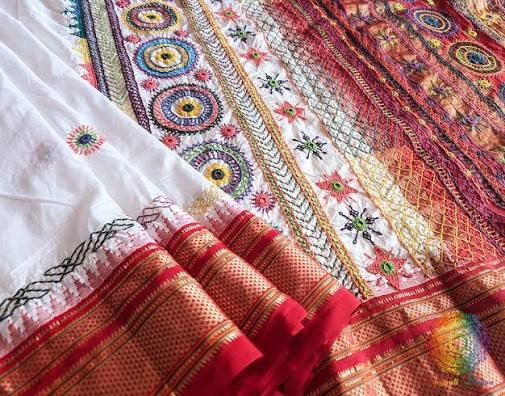
Bandhani (or Bandhej) relies on intricately tied knots that create delicate puckered textures (ghatchola or chundari dots).
- Preserve the Puckered Texture: Do not stretch or iron out the tied texture while the saree is wet.
- Hand Wash Separately: Bandhani dyed fabrics frequently shed excess dye. Wash them individually using cold water and gentle liquid soap.
- Avoid Soaking: Dip, swish, and remove immediately. Lengthy soaking will cause the lighter tied dots to absorb bleed color from the darker background fabric.
7. Precautions for Chanderi and Kota Doria Sarees
Chanderi and Kota Doria sarees are famous for their sheer, lightweight textures woven with delicate cotton and silk yarns.
- Avoid Heavy Friction: Never brush or scrub Chanderi and Kota Doria fabrics. The light, open grid structure (khats) can easily warp or distort.
- Gentle Dip-and-Dry Only: If your Chanderi saree is a cotton-silk blend, keep immersion time under 2 minutes. Shake it out gently and dry flat over a horizontal clothes line to prevent the sheer weave from sagging under the weight of water.
8. Why Silk and Zari Sarees Demand Special Care
While cottons are forgiving, handloom silks like Kanjeevarams, Banarasis, Jamawaris, and Tussars require specialized dry cleaning. Here’s why:
- Fiber Weakening: Natural silk protein fibers lose up to 20% of their physical strength when wet, making them susceptible to tears during washing.
- Water Spotting: Pure silk fabrics are prone to water-marking—leaving ring-like stains where water droplets dry unevenly.
- Zari Tarnishing: Real zari threads contain electroplated silver and gold wires. Exposure to water and domestic detergents oxidizes these metal threads, causing brilliant metallic borders to turn black over time.
9. Proven Tips to Prevent Saree Colour Bleeding
Preventing dye migration is key to retaining the fresh, vivid look of your handloom wardrobe.
- The Vinegar or Salt Lock Method: Add 1 tablespoon of white vinegar or 2 tablespoons of rock salt to your final rinse water. Vinegar sets acid dyes in wool and silks, while salt stabilizes direct dyes in cottons.
- Never Mix Sarees in One Bucket: Always wash handloom garments individually. A single bleeding red pallu can ruin a white or pastel saree instantly.
- Avoid Optical Brighteners: Common washing powders contain optical brighteners that strip away subtle hand-dyed undertones and cause colors to fade prematurely.
10. Correct Drying Methods for Handloom Fabrics
How you dry your saree is just as important as how you wash it. Incorrect drying causes sun-bleaching, fabric distortion, and unwanted stiffness.
+--------------------------------------------------------------------+
|                    HANDLOOM DRYING BEST PRACTICES                  |
|                                                                    |
|  [YES] Shade Drying    [YES] Flat Drying    [NO] Direct Sunlight   |
|  [YES] Towel Rolling   [YES] Padded Hangers [NO] Machine Drying    |
+--------------------------------------------------------------------+
- Dry strictly in Shade: Direct sunlight breaks down natural dye pigments and turns crisp whites yellow. Always dry handloom sarees under a shaded, ventilated porch or indoors under a ceiling fan.
- Avoid Metal Pegs: Metal clips can rust and stain damp cotton. Use smooth plastic pegs or wooden clips instead.
- Distribute the Weight evenly: Drape the saree across multiple lines or a long drying rack to avoid concentrated strain on a single fold line.
11. Ideal Ironing Temperatures by Fabric Type
Ironing handlooms restores their crisp drape and removes stubborn wash creases.
| Fabric Weave | Recommended Iron Temperature | Best Technique |
| Pure Cotton (Khadi, Mulmul) | High (180°C – 200°C) | Iron while slightly damp, or use steam mode. |
| Starched Cotton (Tant) | High (200°C) | Spritz with water, press firmly on the reverse side. |
| Cotton-Silk Blends (Chanderi) | Medium (140°C – 150°C) | Iron on the reverse side; place a cotton press cloth over zari borders. |
| Natural Dyes (Ajrakh, Dabu) | Medium-High (160°C) | Iron on the reverse side to protect delicate printed surfaces. |
12. Removing Turmeric, Oil, and Makeup Stains at Home
Accidents happen at weddings and festivities! Here is how to treat common stains on cotton handloom sarees before washing:
1. Turmeric Stains
- Pre-Treat with Liquid Soap: Apply a drop of neutral liquid soap or dishwashing liquid directly onto the stain.
- Gently Dab: Dab with a clean wet cloth—do not scrub harshly.
- Sun Cure for White Cottons: For white or unbleached cottons, exposing the washed, wet turmeric spot to sunlight for 30 minutes naturally bleaches out yellow curcumin marks.
2. Food & Grease Stains
- Absorb Excess Oil: Dust talcum powder or cornstarch over the grease mark immediately and let it absorb the oil for 15–20 minutes.
- Brush Off and Wash: Brush away the powder and pre-treat the remaining spot with mild liquid soap before performing a cold wash.
3. Makeup Marks
- Micellar Water Treatment: Dab a cotton pad soaked in oil-free micellar water onto foundation or lipstick marks.
- Rinse Cold: Gently lift the pigment off the fabric without rubbing it deeper into the handloom yarns.
13. When Professional Dry Cleaning is Necessary
Know when to step back and let the experts handle your handloom treasure!
- Heavily Embroidered or Zari Work: Zardozi, Gota Patti, Mukaish, or heavy mirror work sarees should never touch water.
- Valuable Heritage Silks: Kanjeevarams, Banarasis, Paithanis, and vintage Jamdani sarees must always be dry-cleaned.
- Unstable Natural Dyes: If a patch test reveals heavy dye bleeding across adjacent white sections, seek professional dry cleaning services immediately.
14. Frequently Asked Questions (FAQs)
Q1. Can I wash my handloom cotton saree in a washing machine?
A: It is not recommended. Machine agitators, spinning cycles, and rough drum surfaces can break hand-spun yarns, fray delicate tassels, and cause fabric shrinkage. Always hand-wash handloom sarees using a gentle dip-and-rinse routine.
Q2. How do I stop my handloom saree from shrinking?
A: Always wash your handloom saree in cold water and avoid hot drying or direct sun exposure. Handloom cottons undergo natural yarn relaxation during their initial washes, but cold water minimizes shrinkage.
Q3. Is it safe to use fabric conditioners on handloom sarees?
A: Avoid heavy commercial fabric softeners on pure handloom cottons. They leave a chemical coating on natural fibers that reduces breathability and absorbency. Use a splash of diluted white vinegar in the final rinse to soften handloom cotton naturally.
Conclusion & Internal Linking Hub
Properly caring for handloom sarees ensures that these timeless pieces of art stay vibrant, comfortable, and beautiful for years to come. By following these handloom saree washing instructions, you can safely maintain your cotton, Tant, Ajrakh, and Bandhani collection right at home.