
Buying sarees for Indian summers sounds simple until you actually start shopping.
You want something light, breathable, elegant, easy to wear, office-friendly, festive enough when needed, and not too difficult to maintain. Then the confusion begins: should you buy a linen saree or a cotton saree?
Both are natural fabrics. Both are loved in India. Both are summer-friendly. And both can look beautiful when styled well. But they do not feel, fall, wrinkle, breathe, or behave in the same way.
That is why this linen saree vs cotton saree comparison is useful. It helps you decide what to buy based on your city, lifestyle, budget, climate, and the occasion you are dressing for.
Cotton is soft, absorbent, familiar, affordable, and easy to wear. Linen is airy, crisp, elegant, slightly textured, and has that effortless premium look. Recent fashion and textile guides also continue to recommend both cotton and linen as strong summer fabrics because they are breathable natural fibres, but they differ in softness, wrinkle behaviour, care, and styling potential. (The Times of India)
So, if you are confused between a linen saree vs cotton saree, here is the simple answer: choose cotton for everyday comfort and easy maintenance, and choose linen for a smarter, more polished summer look.
Now let us compare both properly.
Quick Comparison Table: Linen Saree vs Cotton Saree
| Feature | Linen Saree | Cotton Saree |
|---|---|---|
| Best for | Office wear, brunches, semi-formal events, elegant summer styling | Daily wear, regular office wear, home wear, casual outings |
| Feel on skin | Crisp, airy, slightly textured | Soft, familiar, gentle |
| Breathability | Excellent airflow, feels airy | Very breathable and absorbent |
| Sweat control | Dries faster and feels less clingy | Absorbs sweat well but may feel damp in high humidity |
| Drape | Structured, crisp, slightly stiff at first | Softer, more relaxed, easier to manage |
| Wrinkles | Wrinkles easily, but in a stylish way | Wrinkles too, but usually less sharply than linen |
| Office suitability | Very good for a polished look | Excellent for comfort and everyday use |
| Festive styling | Looks elegant with jewellery and good blouse styling | Depends on weave, border, print and finish |
| Maintenance | Needs gentle care and good ironing | Easier to wash, dry and repeat |
| Price | Usually more expensive | Available in budget to premium ranges |
| Best city use | Bengaluru, Delhi evenings, Mumbai events, Chennai formal wear | Delhi heat, Kolkata daily wear, Chennai daily wear, Mumbai humid days |
This linen saree vs cotton saree table gives you the short answer. But the right choice really depends on how and where you plan to wear the saree.
Breathability and Sweat Control
For Indian summers, breathability is not a luxury. It is survival.
In Delhi, the dry heat can feel like a hot tawa. In Kolkata and Chennai, humidity can make clothes stick to the body. Mumbai has that sweaty, coastal heaviness. Bengaluru is milder, but afternoons can still be warm. So the saree fabric needs to allow airflow and handle sweat well.
Cotton sarees are excellent for sweat absorption. Cotton is widely known as a breathable and absorbent fabric, which is why it is used so much for warm-weather clothing. (Sewport) A good cotton saree feels soft on the skin and is comfortable for long hours. If you are stepping out for errands, going to office, travelling by metro, or sitting through a long workday, cotton is dependable.
Linen sarees, on the other hand, feel more airy. Linen is also highly breathable and has high moisture-wicking ability, which means it can feel cooler and less clingy in hot weather. (Sewport) This is one reason linen sarees are loved by women who want summer comfort without looking too casual.
In a linen saree vs cotton saree comparison, cotton wins on softness and sweat absorption. Linen wins on airy feel and faster drying comfort. If you sweat a lot and want something soft, cotton is easier. If you dislike fabric sticking to your skin, linen may feel better.
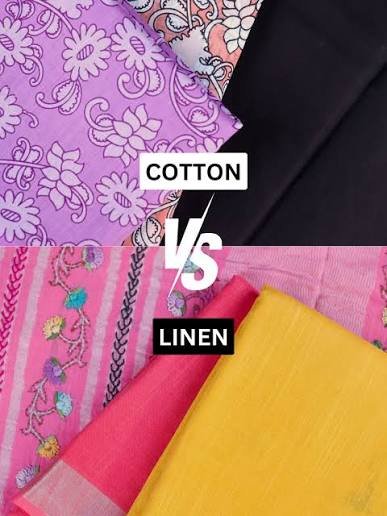
Drape and Fall
This is where the difference becomes very visible.
A cotton saree usually has a softer drape. It falls closer to the body and feels familiar. Most Indian women have grown up seeing cotton sarees, so the drape feels natural. Depending on the weave, cotton can look casual, traditional, formal, or festive.
A linen saree has a crisper fall. It does not cling as much. It has body, texture and structure. When pleated well, it gives a clean, tall, graceful look. This is why linen sarees often look more “put together” even with minimal styling.
If you like neat pleats, sharp lines and a slightly contemporary look, linen is beautiful. If you prefer a soft, easy drape that moves naturally, cotton is more comfortable.
For office wear, linen gives a more polished look. For daily wear, cotton feels more relaxed. This is one of the biggest deciding points in the linen saree vs cotton saree debate.
Wrinkle Factor
Let us be honest: both linen and cotton wrinkle.
But linen wrinkles more visibly. It creases quickly, especially around the waist, pleats and pallu. Some people love this because linen wrinkles have a relaxed, expensive, effortless look. Others find it annoying because the saree may not look freshly ironed after a few hours.
Cotton also wrinkles, but the effect depends on the weave. Soft cottons, mulmul, handloom cotton and printed cotton sarees may wrinkle gently. Stiffer cottons may hold creases more visibly.
If you want a saree that looks perfect for long hours without touch-ups, neither pure linen nor pure cotton is completely wrinkle-free. But cotton is usually easier for daily wear, while linen needs you to accept the natural crease as part of the look.
For a more wrinkle-controlled option, you can consider linen-cotton blends or cotton-silk blends. These are not always as pure as traditional fabrics, but they can be practical for busy days.
In short, in the linen saree vs cotton saree wrinkle test, cotton is easier. Linen is more stylish but more crease-prone.
Office Wear Suitability
For Indian office wear, both fabrics are strong choices.
Cotton sarees are perfect for regular workdays. They are comfortable, breathable, and easy to repeat. A simple cotton saree with a neat blouse, small earrings and comfortable sandals can look professional without trying too hard. Cotton also works well if your day involves commuting, field visits, teaching, meetings, or long hours.
Linen sarees are excellent when you want your office look to feel sharper. A plain linen saree with a contrast blouse, silver jewellery, leather flats or block heels can look very sophisticated. It is especially good for presentations, conferences, client meetings, formal lunches, and days when you want to look senior and composed.
If your office has strong air conditioning, linen is also a good choice because it feels airy outside but still looks structured indoors. Cotton may feel more casual unless the weave, border or blouse is formal.
So, for office wear, the linen saree vs cotton saree verdict is simple: cotton for daily comfort, linen for polished authority.
Festive Styling Potential
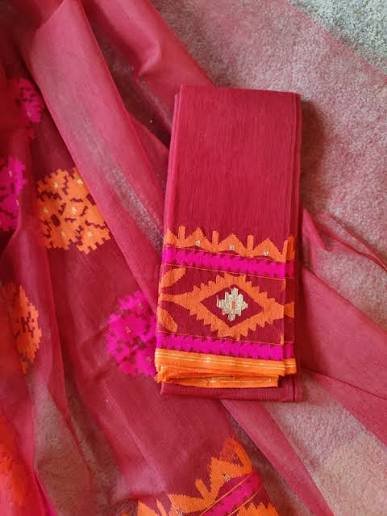
Cotton sarees can absolutely be festive, especially if they are handloom cotton, jamdani, chikankari cotton, chanderi cotton, kotpad cotton, mangalagiri cotton, ilkal cotton, or cotton sarees with zari borders. A well-styled cotton saree with flowers, jhumkas and a beautiful blouse can look stunning.
But linen has a different kind of festive potential. It gives a minimal, elegant, almost quiet luxury look. A linen saree with a zari border, metallic blouse, pearl jewellery, antique silver or temple jewellery can look very refined.
For Indian summer festivals, pujas, family lunches, small weddings, office celebrations and festive dinners, linen sarees work beautifully because they look dressy without becoming heavy.
Cotton is better for traditional charm. Linen is better for understated elegance.
If your festive style is colourful, earthy and rooted, go for cotton. If your festive style is minimal, modern and refined, go for linen.
Price and Maintenance
This is a practical section because saree shopping is not only about beauty. Budget and maintenance matter.
Cotton sarees are available at almost every price point. You can buy simple daily cotton sarees at affordable prices, and you can also buy premium handloom cotton sarees that cost much more. Cotton is also easier to wash, dry, starch, iron and repeat.
Linen sarees are usually more expensive than regular cotton sarees. Pure linen, linen with zari, linen-silk and good quality handloom linen sarees can cost more because the fabric has a premium look and a more structured finish.
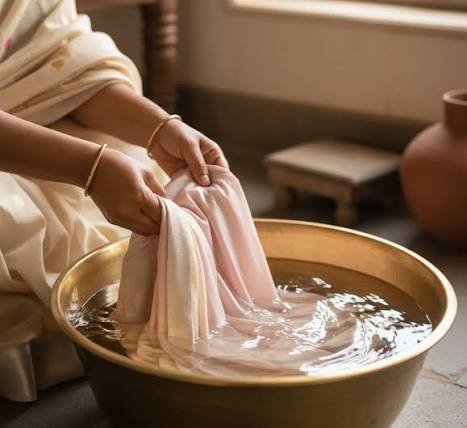
Maintenance also differs. Linen needs gentle washing, careful drying and proper ironing. Laundry care guidance for linen generally recommends mild detergent, cold or lukewarm water, gentle cycles and careful drying to protect the fabric from shrinkage and damage. (Vogue) Cotton is generally easier, though delicate handloom cotton sarees should also be treated with care.
In the linen saree vs cotton saree maintenance test, cotton clearly wins. In the style and premium feel test, linen often has the edge.
Best Choice for Delhi Summers
Delhi summers are hot, dry and intense. In peak May and June, stepping out in the afternoon can feel brutal.
For daily wear in Delhi, cotton sarees are a very practical choice. They absorb sweat, feel soft, and are easier to wash frequently. Mulmul cotton, soft handloom cotton, kota cotton and light printed cotton sarees are excellent.
Linen sarees also work well in Delhi, especially for office wear, evening events, brunches and formal meetings. Since Delhi heat is often dry, linen’s airy structure can feel very comfortable. But if you are travelling long distances in the heat, cotton may feel easier.
Delhi verdict: cotton for daily summer wear, linen for office, events and elegant outings.
Best Choice for Kolkata Summers
Kolkata summers are hot and humid. The humidity can make fabric feel heavy, sticky and uncomfortable. Reports on urban heat and humidity have also highlighted Kolkata as one of India’s most humid major metros during summer, which affects how uncomfortable the heat feels. (The Times of India)
For Kolkata, cotton sarees are excellent for everyday wear because they absorb sweat and feel gentle on the skin. Soft cotton, taant, jamdani cotton and light handloom sarees are natural choices.
Linen can also work, especially because it feels airy and does not cling as much. But some linen sarees may feel stiff if you are wearing them for a long, humid outdoor day. Choose softer washed linen or linen-cotton blends if you live in Kolkata.
Kolkata verdict: cotton for daily comfort, soft linen or linen-cotton blends for polished outings.
Best Choice for Bengaluru Summers
Bengaluru summers are usually kinder than Delhi, Chennai or Kolkata, though the city has been getting warmer in recent years. For most Bengaluru summer days, both cotton and linen sarees work beautifully.
Cotton sarees are great for everyday office wear, casual lunches, college, teaching, market visits and home wear. Linen sarees are perfect for work meetings, art events, brunches, travel days and evenings.
Because Bengaluru weather is relatively moderate, linen becomes very wearable here. You can enjoy the crisp fall without feeling too hot or too stiff.
Bengaluru verdict: linen is excellent for smart casual and office looks; cotton is best for daily comfort.
Best Choice for Chennai Summers
Chennai summers are hot, coastal and humid. Comfort has to come first.
Cotton sarees are the safest everyday choice for Chennai. Soft cottons, lightweight handlooms, sungudi, kota cotton and mul cotton sarees can feel much easier for daily use. Since Chennai humidity can make clothes cling, breathable and washable fabrics are important.
Linen sarees work well for formal events, office days and evening outings, but choose lighter linen rather than thick linen. A very stiff linen saree may not be the most comfortable for peak humid afternoons.
Chennai verdict: cotton for daily wear, lightweight linen for office and semi-formal events.
Best Choice for Mumbai Summers
Mumbai weather is humid for a large part of the year, and summer often blends into pre-monsoon stickiness. The problem is not only heat, but sweat, travel and humidity.
Cotton sarees are ideal for daily local travel, market visits, office commutes and long working days. They are easier to wash and repeat.
Linen sarees are lovely for meetings, dinners, gallery visits, festive lunches and occasions where you want a more refined look. But for a full day of outdoor travel in Mumbai humidity, cotton or linen-cotton blends may be easier than pure linen.
Mumbai verdict: cotton for commuting and daily wear, linen for stylish indoor or semi-formal settings.
Styling Tips for Cotton Sarees in Summer
A cotton saree can look very stylish if you do not treat it as only “daily wear.”
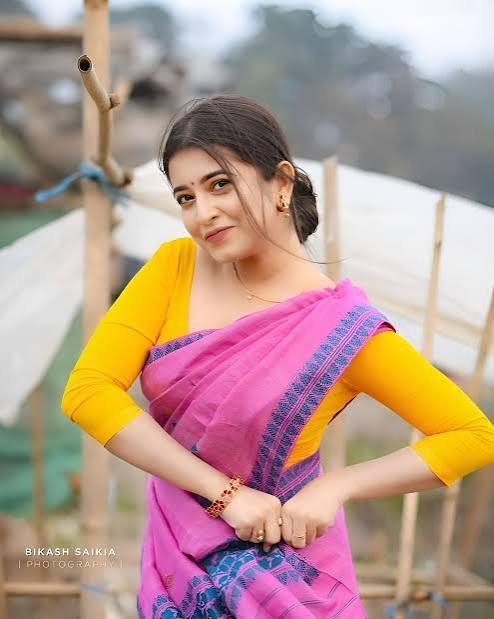
Pair it with a well-fitted blouse. Add oxidised jewellery, a small bindi, kolhapuris, juttis or block heels. For office, choose stripes, checks, small prints, solid colours or subtle borders. For festive wear, choose handloom cottons with zari, jamdani motifs, woven borders or embroidered blouses.
To make cotton sarees look more polished, iron them well and avoid overly loose blouses. A crisp blouse can instantly elevate a simple cotton saree.
Styling Tips for Linen Sarees in Summer
A linen saree looks best when styled cleanly.
Choose structured blouses, sleeveless blouses, boat necks, high necks, elbow sleeves or simple V-necks. Linen pairs beautifully with silver jewellery, pearls, handmade jewellery, tan flats, leather bags and minimal makeup.
For festive styling, try a linen saree with a metallic blouse. For office styling, wear a solid linen saree with a printed blouse. For brunch, choose pastel linen with delicate earrings and open sandals.
The best part about linen is that you do not need to over-accessorise it. The fabric itself has personality.
Final Verdict: When to Choose Linen, When to Choose Cotton
So, what is the final answer to linen saree vs cotton saree?
Choose a cotton saree if you want comfort, softness, affordability, easy maintenance and everyday wearability. Cotton is perfect for daily office wear, home wear, errands, teaching, commuting, humid weather and long summer days.
Choose a linen saree if you want structure, elegance, airy comfort and a more premium look. Linen is perfect for office meetings, brunches, semi-formal events, summer celebrations, travel looks and minimalist festive dressing.
The best Indian summer wardrobe does not need to choose only one. Ideally, keep both.
Have cotton sarees for your regular hot days. Have linen sarees for days when you want to look polished without wearing anything heavy. That way, you get comfort and elegance together.
The smartest linen saree vs cotton saree answer is this: cotton is your everyday summer friend, linen is your stylish summer upgrade.
FAQs on Linen Saree vs Cotton Saree
1. Which is better for summer: linen saree or cotton saree?
Both are good for summer. Cotton is softer and better for daily wear, while linen feels airier and looks more polished. If you want everyday comfort, choose cotton. If you want a smart, elegant summer look, choose linen.
2. Is linen cooler than cotton?
Linen can feel cooler because it is airy, breathable and does not cling much to the body. Cotton is also breathable and absorbs sweat well. In very humid weather, soft cotton may feel more comfortable for daily use, while linen may feel better for shorter outings or office wear.
3. Which saree is better for office wear?
Both work well. Cotton sarees are better for regular office wear and long working days. Linen sarees are better for meetings, presentations and formal office looks because they have a crisp and polished fall.
4. Does linen wrinkle more than cotton?
Yes, linen wrinkles more easily than cotton. But many people like linen’s natural creases because they give the saree a relaxed, elegant look. If you dislike wrinkles, cotton or linen-cotton blends may be easier.
5. Are cotton sarees cheaper than linen sarees?
Usually, yes. Cotton sarees are available in a wider price range and are easier to find at budget prices. Linen sarees often cost more, especially if they are pure linen, handloom linen or have zari work.
6. Which saree is better for humid cities like Mumbai, Chennai and Kolkata?
For daily wear in humid cities, cotton sarees are very practical because they are soft, absorbent and easy to wash. Linen sarees can also work, but choose lightweight linen or linen-cotton blends for humid weather.
7. Can linen sarees be worn for festivals?
Yes. Linen sarees can look beautiful for festivals, especially when styled with a good blouse and jewellery. Linen sarees with zari borders, metallic blouses, pearls or silver jewellery are great for summer festive occasions.
8. Which is easier to maintain: linen or cotton?
Cotton is easier to maintain. Linen needs gentler washing, careful drying and proper ironing. If you want a low-maintenance saree for regular use, cotton is the better choice.
9. What is better for Delhi summer: linen saree vs cotton saree?
For Delhi’s peak heat, cotton is better for daily wear. Linen is excellent for office, evenings and semi-formal events because it feels airy and looks elegant.
10. Should I buy both linen and cotton sarees?
Yes, if your budget allows it. Cotton sarees are perfect for daily summer comfort, while linen sarees are perfect when you want a more polished and premium look. Both deserve space in an Indian summer wardrobe.
See Also
How to Wear Linen or Cotton Saree | 3 ways to Drape Saree
Pure Linen Paithani | Mul Cotton With Gujrati Work | Pure Cotton Saree
What to Wear Under Sheer Chikankari Kurti: A Practical Indian Styling Guide
How to Style a Cotton Saree for Office Without Looking Too Traditional