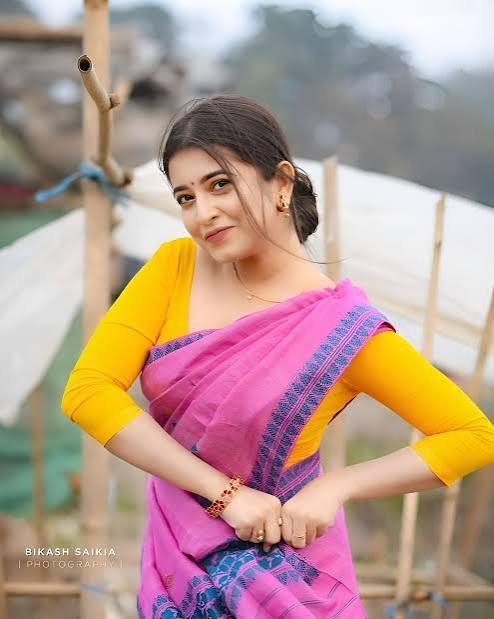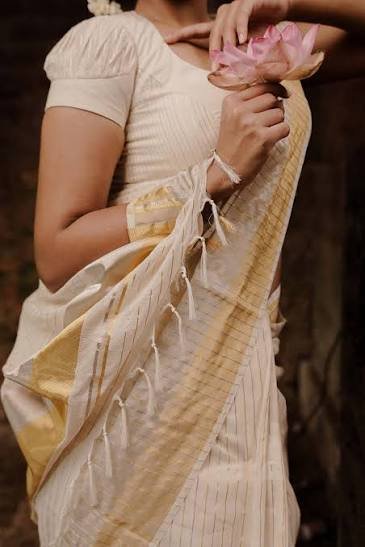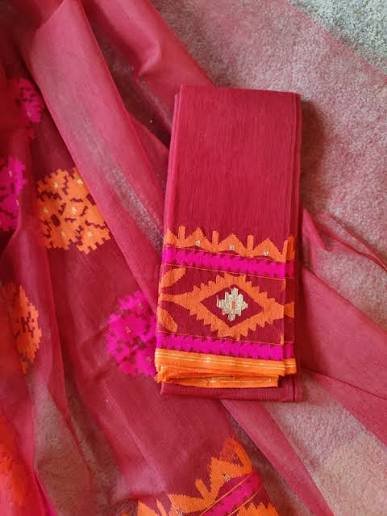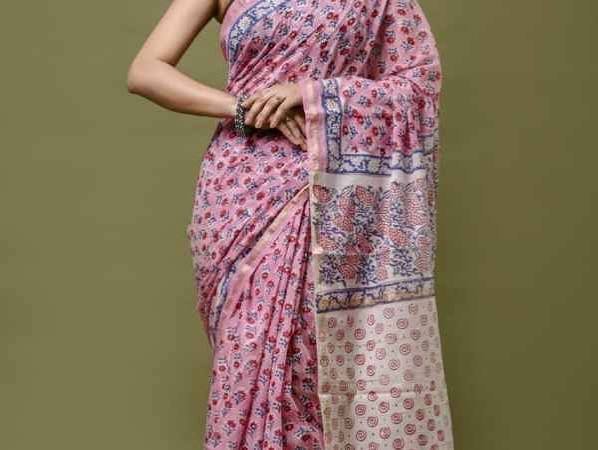

Hello, my gorgeous style chameleons! Let’s be completely honest for a minute. We all absolutely adore the sheer, unmatched grace of a classic Indian saree. There is nothing quite like walking into a room and letting a beautiful pallu cascade behind you. But let’s also admit that sometimes, the thought of wrestling with six yards of slippery silk, pins, and half an hour of frantic pleating on a busy festive morning is enough to make us reach for a basic maxi dress instead.
If you love the majestic silhouette of a saree but crave the absolute ease, comfort, and movement of modern separates, we have some incredible news for you.
Welcome to the dupatta saree trend—the prettiest, most viral movement in contemporary ethnic styling.
By taking a heavy traditional dupatta from your closet and pairing it with contemporary bases like skirts, trousers, or even chic jumpsuits, fashionistas are mimicking the royal drape of a saree in under five minutes flat. It’s inventive, it’s highly customizable, and it breathes completely new life into pieces you already own.
Grab your favorite statement dupattas, and let’s unlock a step-by-step professional styling guide to mastering this gorgeous hybrid trend!
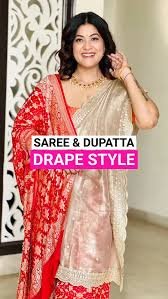
What is the Dupatta Saree Trend? The Anatomy of a Fashion Hack
So, what exactly is driving this massive shift toward the dupatta saree trend? At its core, this look is all about deconstructing traditional silhouettes to match our fast-paced lives.
Instead of buying a brand-new outfit for every single wedding, sangeet, or festive party on your social calendar, this hack allows you to play the role of an indie fashion designer. You take a highly embellished, heirloom-quality dupatta—like a rich Banarasi silk, a vibrant Phulkari, or a heavily embroidered mirror-work piece—and use unique modern saree draping styles to create the illusion of a continuous saree drape.
[ Your Favorite Heavy Dupatta ] + [ Any Existing Skirt / Pants Base ] = A Custom Five-Minute Saree
The beauty of this trend lies in its structural freedom. Because a standard dupatta is shorter (usually 2.5 meters) than a traditional saree (5.5 to 6 meters), you don’t have to deal with giant, bulky tucks around your waist. You get all the dramatic pleating on your shoulder without any of the heavy, restrictive fabric weighing down your lower body. It is the absolute definition of smart, sustainable luxury.
Choosing Your Base: Setting the Stage for the Perfect Drape
Before we get into the actual folding and pinning, you need to choose the bottom and top wear that will act as the canvas for your dupatta. Because the dupatta will be crossing your body diagonally, your base pieces need to provide clean lines and a secure anchor point.
When putting together your festive fusion outfits, experiment with these three spectacular base options:
1. The Classic Lehenga Skirt or Maxi Skirt
This is the easiest transition. A solid-colored, high-waisted ethnic skirt or a simple cotton-silk flared maxi skirt creates the familiar, voluminous bottom silhouette of a traditional lehenga-saree.
2. Tailored Sharara or Dhoti Pants
Want to add a serious edge to your look? Swap the skirt for a pair of fluid, well-fitted sharara pants or a structured dhoti trouser. Draping a dupatta over pants creates an incredibly modern, street-style-inspired fusion wear aesthetics that turns heads instantly.
3. The Minimalist Crop Top or Bodysuit
Instead of a stiff, traditional blouse, use a well-fitted knit bodysuit, a sharp high-neck crop top, or even a tailored corset. A smooth base top ensures that your dupatta lies flat against your torso without bunching up uncomfortably.
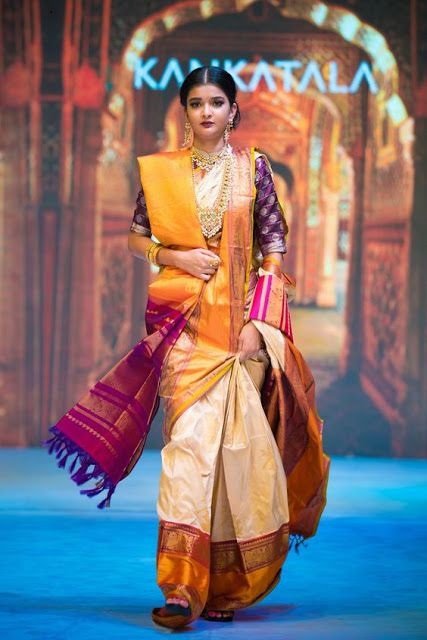
3 Easy Ways to Wear the Dupatta Saree Trend: Step-by-Step Guide
Ready to try it yourself? Here are three distinct, fail-proof draping methods to transform your dupatta into a stunning faux-saree silhouette right now:
Method 1: The Classic Nivi Pleat (The Sophisticated Look)
This style perfectly mimics a traditional front-pleated saree drape and looks phenomenal with a stiff fabric like Banarasi silk or Chanderi.
- Step 1: Take one clean end of your dupatta and pleat it neatly along its width (about 3 to 4 inches wide per pleat).
- Step 2: Place these pleats over your left shoulder, letting the decorated border hang elegantly down your back, just like a regular saree pallu. Secure it to your top with a safety pin.
- Step 3: Take the long, remaining section of the dupatta hanging in front of you, bring it tightly across your torso diagonally toward your right hip, and tuck the corner securely into the center-front or right side of your skirt’s waistband.
Method 2: The Royal Gujarati Seedha Pallu (The Statement Maker)
Perfect for heavy handloom fabrics like Patola or traditional Bandhani dupattas, this style displays the entire artwork of your piece across your chest.
- Step 1: Take one end of the dupatta and tuck it cleanly into the right side of your skirt or trouser waistband.
- Step 2: Take the rest of the fabric, loop it neatly around your back, and bring it forward over your right shoulder from behind.
- Step 3: Open up the front pleats so the gorgeous patterns cascade flat across your front bodice, and pin the left corner securely to the left side of your waist.
Method 3: The Belted Fusion Drape (The Gen-Z Favorite)
This ultra-modern look keeps your hands completely free to dance, eat, and mingle without worrying about your drapes slipping out of place.
- Step 1: Follow the basic steps of Method 1 (The Classic Nivi Pleat), letting the dupatta drape comfortably over your shoulder.
- Step 2: Instead of leaving the front fabric loose, smooth it down flat across your torso.
- Step 3: Put on a sleek, metallic statement belt, a traditional fabric kamarbandh, or a minimalist leather belt directly over the dupatta at your natural waistline. This cinches your waist beautifully and locks the entire outfit together.
Fabric Pairing Masterclass: Creating Harmonious Textures
To truly elevate the dupatta saree trend, you must ensure that the weight of your dupatta matches the structural integrity of your base clothing. If your fabric weights are completely mismatched, the outfit will look awkward and droop throughout the evening.
Refer to this handy texture chart to curate your look perfectly:
| If Your Dupatta Is… | Your Best Base Material Is… | Why It Works | Ideal Festive Event |
| Heavy Banarasi / Kanjeevaram Silk | Solid Raw Silk or Satin Skirt | Stiff fabrics complement each other; creates a regal, structured fall. | Wedding Reception / Festive Puja |
| Flowing Chikankari / Georgette | Tiered Mulmul or Linen Sharara Pants | Soft, romantic drapes that move fluidly; highly breathable. | Mehendi / Day-time Haldi Party |
| Sheer Organza / Net with Mirror Work | Structured Crepe Cropped Pants & Corset | The sheer fabric allows your sleek modern inner-wear silhouettes to show through beautifully. | Sangeet / Cocktail Night |
3 Common Mistakes to Avoid When Rocking the Faux-Saree Look
While this trend is incredibly forgiving, it can occasionally go wrong if you ignore structural balance. Watch out for these three rookie mistakes:
- Using a Dupatta That Is Too Short: Ensure your statement dupatta is at least 2.5 meters long. Standard short scarves or stoles do not have enough fabric length to cross your body and form a graceful pallu drape, leaving you looking boxed-in.
- Overloading on Heavy Patterns: If your dupatta features an explosion of multi-colored embroidery, keep your skirt and top completely solid and unadorned. If your skirt and your dupatta are both screaming for attention with heavy patterns, the elegant saree illusion gets completely lost in the chaos.
- Poor Pin Placement: Never use giant, ugly safety pins right on top of your delicate fabrics. Always place your pins subtly on the inside layer of your clothing, anchoring the fabric directly to the seams of your blouse or skirt waistband for a clean, seamless look.
Wrapping Up: Your Wardrobe, Reimagined
The true magic of the dupatta saree trend is that it encourages us to stop treating our ethnic clothing as rigid, single-use outfits. By mixing, matching, and experimenting with creative drapes, you can honor your traditional heritage textiles while enjoying the absolute comfort and edge of modern silhouettes. It’s playful, sustainable, and beautifully unique to your personal style journey.
Do you have a heavy, gorgeous bridal dupatta sitting lonely in your closet that deserves a second chance to shine? Which draping method are you excited to try for your next festive gathering? Let us know all about your style ideas in the comments below—let’s keep reimagining fashion together!
See Also
Beat the Heat: The Ultimate Guide to Lightweight Indian Textiles for Scorching Summers
Inside India’s Most Luxury Clothing Factory