
Hey there, sunshine style icons! Let’s be completely real about the Indian summer for a minute. When the mercury crosses 40°C, and the air feels like a literal hair dryer blowing directly against your face, the last thing you want to do is dress up. Your mind instantly screams for comfort. But choosing comfort doesn’t mean you have to spend the next four months living exclusively in boring, oversized grey t-shirts and basic lounge shorts.
What if we told you that India’s traditional weavers solved the summer heat crisis hundreds of years ago?
Welcome to the wonderful world of lightweight Indian textiles.
Long before modern athletic brands engineered artificial sweat-wicking activewear, India’s rural weaving clusters were creating phenomenal handloom masterpieces specifically designed to breathe, protect the skin, and lower body temperatures. From the translucent grids of Rajasthan to the cloud-like softness of Bengal, upgrading your summer ethnic wardrobe with authentic natural textiles is the ultimate way to stay incredibly cool while looking effortlessly regal.
Let’s dive into a comprehensive handloom textile guide to the best summer fabrics, exploring how they work and how to style them to survive the heat wave in style!
The Fabric Science: Why Natural Handlooms Beat Synthetic Fast Fashion
Before we look at specific fabrics, let’s unpack a little bit of textile science. If you walk into a fast-fashion store during the summer, you will see thousands of cute, breezy dresses. But check the inner label, and you’ll frequently find it’s made of 100% polyester, nylon, or acrylic.
Polyester is essentially made of plastic. The fibers are tightly spun, meaning they act like an insulating greenhouse shield around your body. They trap your sweat, seal in body heat, and create a breeding ground for skin rashes.
Traditional lightweight Indian textiles, on the other hand, rely entirely on premium natural plant fibers like long-staple cotton, organic linen, and raw silk-cotton blends.
[ Synthetic Polyester ] ➔ Tightly spun plastic ➔ Traps sweat & seals in body heat
[ Natural Indian Handloom ] ➔ Porous organic weave ➔ Absorbs moisture & allows continuous airflow
Because these fabrics are woven on slow, traditional handlooms rather than high-speed industrial machines, the warp and weft threads maintain a microscopic gap. This porous structure acts as a natural air conditioning unit for your skin, making them the ultimate moisture wicking fabrics provided by nature.
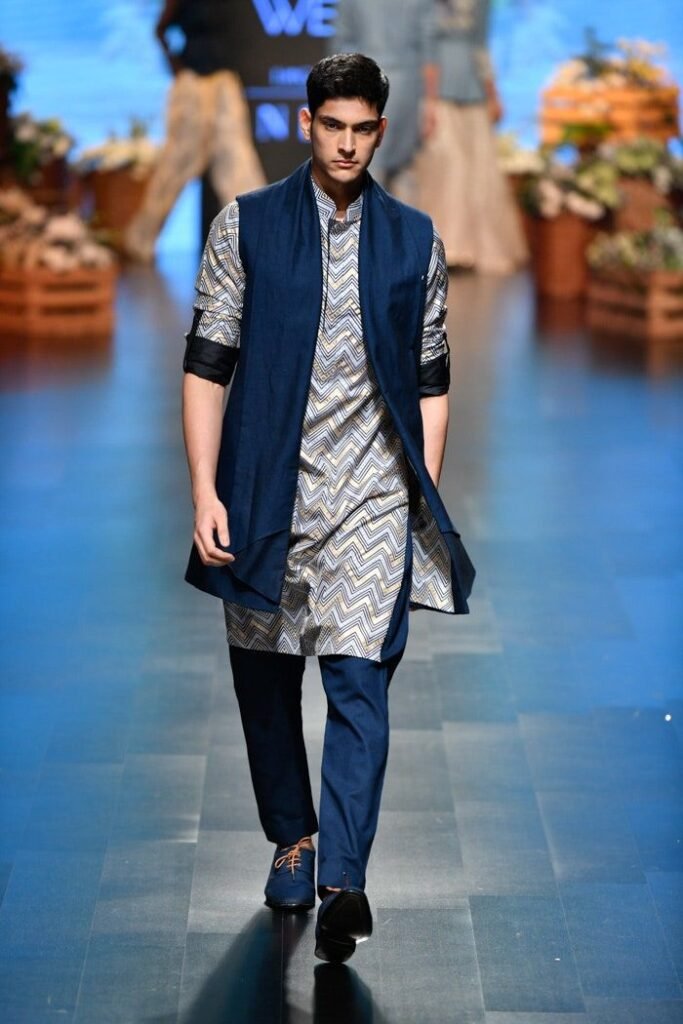
4 Holy Grail Summer Textiles to Invest in This Week
Ready to rebuild your hot-weather rotation? Add these four legendary Indian textiles to your shopping list right now:
1. Kota Doria (The Structural Mirage)
Hailing from the town of Kaithoon in Rajasthan, Kota Doria is a textile marvel. It is famous for its unique weave structure called Khats, which forms a delicate, translucent square checkerboard pattern across the fabric.
Weavers blend fine cotton yarns for absolute absorbency with raw silk yarns for structural strength and a subtle sheen. A Kota Doria kurti or saree is as light as a feather, doesn’t cling to the skin even when you sweat, and looks incredibly crisp and elegant for office wear.
2. Bengal Mulmul (The Cloud-Like Wonder)
Often referred to historically as “woven wind,” Mulmul is a legendary fine-gauge cotton fabric from West Bengal. It is shockingly soft, extremely lightweight, and gets softer with every single wash. If you have sensitive skin that gets easily irritated by summer heat, breathable cotton kurtis made of authentic Mulmul will be your absolute best friend.
3. Maheshwari Silk-Cotton (The Luminous Savior)
Who says you can’t wear silk in June? Hailing from Madhya Pradesh, Maheshwari fabric features a unique construction where the warp is pure silk and the weft is fine cotton thread.
This creates a textile that possesses the rich, luminous gloss of silk but maintains the lightweight, breathable, and cool properties of cotton. It is the perfect choice for attending summer weddings, formal work meetings, or evening festive dinners.
4. Organic Khadi Cotton (The Eco-Friendly Shield)
Hand-spun and hand-woven, Khadi has a slightly uneven, rugged texture that gives it a beautiful, bohemian character. Because the yarn is spun by hand, the cotton fibers contain natural air pockets that insulate you from the harsh external sun during the day while allowing sweat to evaporate instantly.
Smart Summer Fabric Comparison Matrix
To help you choose the right fabric for the right occasion, refer to this handy performance breakdown when updating your wardrobe:
| Textile Name | Fabric Weight | Air Permeability | Best Used For | Hot Climate Fashion Hacks |
| Bengal Mulmul | Ultra-Lightweight | Maximum (10/10) | Everyday casual wear, loungewear, running errands. | Style with a soft cotton slip; feels like wearing nothing at all. |
| Kota Doria | Light & Translucent | Excellent (9/10) | Formal corporate wear, daytime brunches. | Keep the silhouette loose and straight to let air circulate through the grids. |
| Maheshwari | Medium-Light | Good (7/10) | Summer weddings, festive dinners, evening events. | Choose styles with minimalist gold borders to avoid heavy metal weight against the skin. |
| Khadi Cotton | Medium | High (8/10) | Office wear, outdoor travel, site visits. | Opt for un-dyed, pastel, or earthy tones that naturally reflect sunlight. |
3 Essential Summer Styling Rules for Maximum Airflow
Once you have sourced your authentic lightweight Indian textiles, you need to style them correctly. Even the most breathable fabric can feel stifling if it is tailored into a poorly designed silhouette.
Follow these three essential design rules to optimize your comfort:
Rule 1: Ditch the Skin-Tight Cuts
Summer is not the time for tight, bodycon fits or restrictive churidars that stick to your legs. Embrace relaxed, fluid silhouettes. Think oversized straight-cut kurtis, breezy A-line tunics, wide-leg flared palazzos, or relaxed culottes. The extra space between the fabric and your skin creates a continuous draft of airflow, keeping your body temperature naturally down.
Rule 2: Stick to a Sunlight-Reflecting Palette
Dark colors like black, navy, and deep charcoal absorb solar radiation, heating up your outfit within minutes of walking outside. Switch your summer rotation over to light, soothing hues. Stick to pristine whites, soothing creams, mint greens, powder blues, and delicate lemon yellows that naturally reflect the sun’s rays.
[ Dark Charcoal/Black ] ➔ Absorbs solar radiation ➔ Heats up your body
[ Pastel / Ivory Shades ] ➔ Reflects sunlight away ➔ Keeps you naturally cooler
Rule 3: Minimize Inner Lining Layers
When getting translucent fabrics like Kota Doria or fine organza stitched, do not line them with cheap, synthetic polyester lining material (astra). Doing so completely cancels out the breathability of your outer handloom! Always request your tailor to use a lightweight, fine cotton voile liner, or wear a separate, loose cotton slip underneath.
Wrap Up: Sustainable Summer Comfort
Surviving a fierce summer season doesn’t mean you have to compromise on your personal style or sacrifice elegance. By shifting your wardrobe focus away from plastic-heavy fast fashion and embracing the time-tested magic of lightweight Indian textiles, you can support traditional artisan communities, champion sustainable clothing choices, and step out into the summer heat looking completely polished, fresh, and beautifully composed.
What is your absolute number-one favorite fabric for surviving a hot summer day? Have you ever experienced the cloud-like softness of an authentic Bengal Mulmul kurti? Let us know your summer style survival tips in the comments section below—let’s beat the heat together!
See Also
Packing for Punjab: The Ultimate Amritsar Heritage Travel Wardrobe Guide
Distributor Appointment Guide – Why Should Distributors Choose Your Product ?